Maxillofacial Trauma

What is Maxillofacial Trauma?

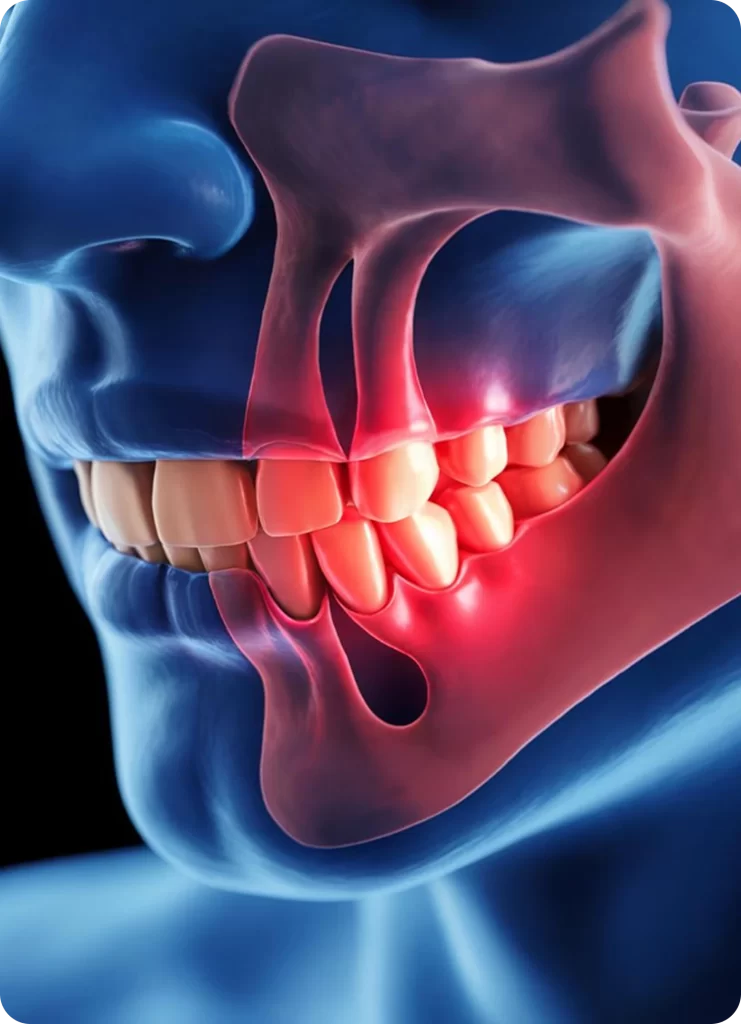
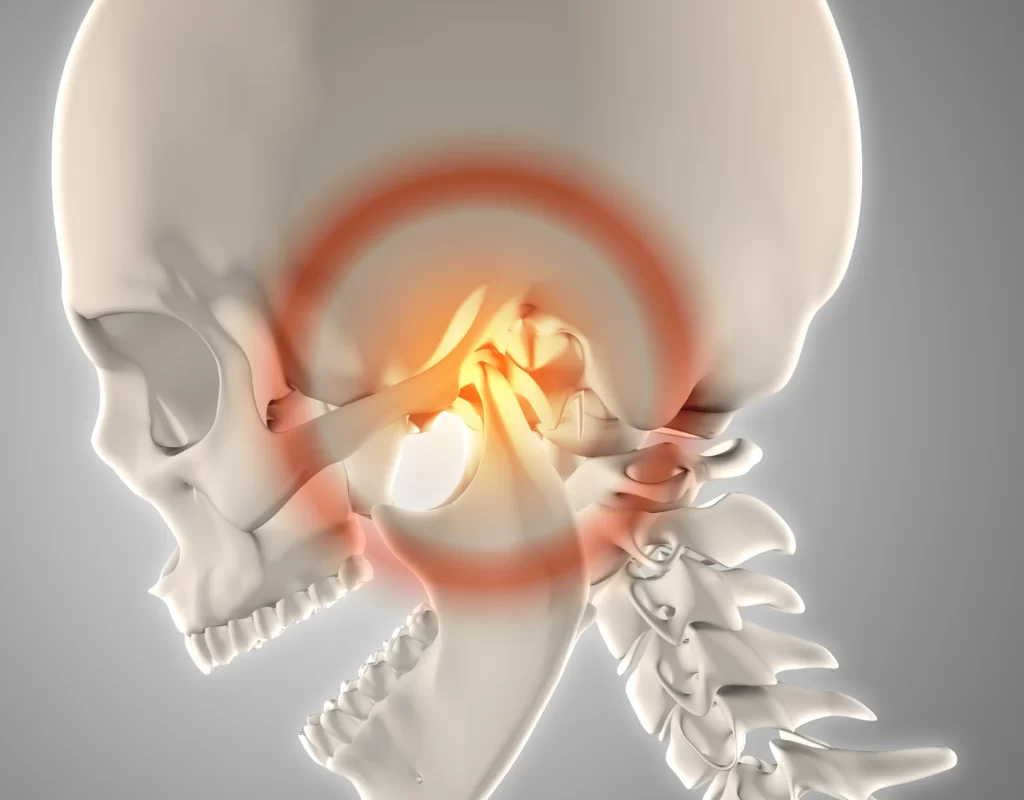
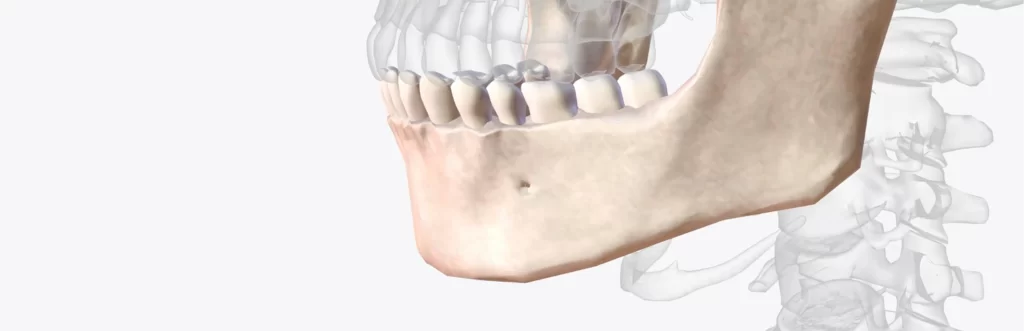
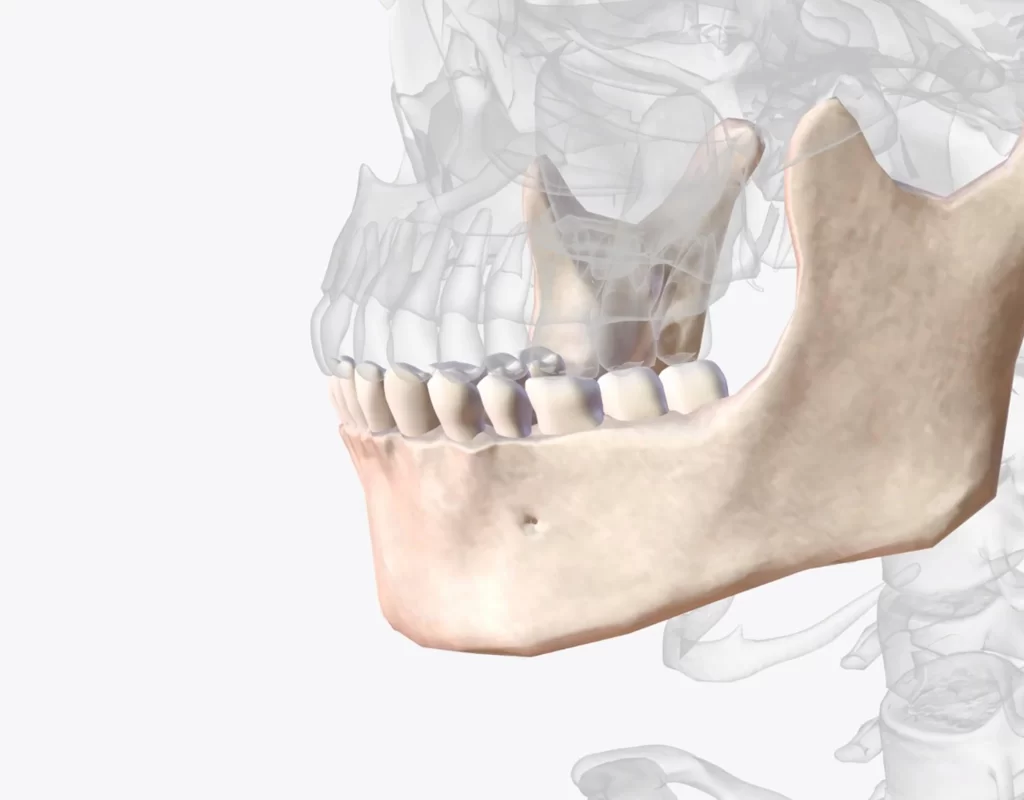
Maxillofacial trauma refers to injuries affecting the face, jaw, mouth, and facial bones caused by accidents, falls, or impact injuries. These injuries can affect facial appearance, bite alignment, speech, and normal jaw movement. Treatment focuses on restoring facial structure, stabilising fractures, repairing soft tissues, and improving both function and appearance. With timely care, patients can regain facial balance, comfort, and normal daily function.
Maxillofacial Trauma Treatment in India
Maxillofacial Trauma Treatment in India | Facial Injury Care

Who Is an Ideal Candidate?

Maxillofacial trauma care is suited for individuals with facial or jaw injuries that affect appearance, movement, or oral function. Treatment aims to restore structure, relieve discomfort, and support routine healing of facial tissues.

Benefits of Maxillofacial Trauma Care

Restores facial structure, reduces pain, and supports proper healing.
Supports facial movement, chewing ability, and balanced healing.
Maxillofacial Trauma Treatment in India
Improves jaw stability, reduces discomfort, and promotes functional recovery.
Enhances facial symmetry, comfort, and long term function.
Maxillofacial Trauma Treatment in India

How does the procedure work?

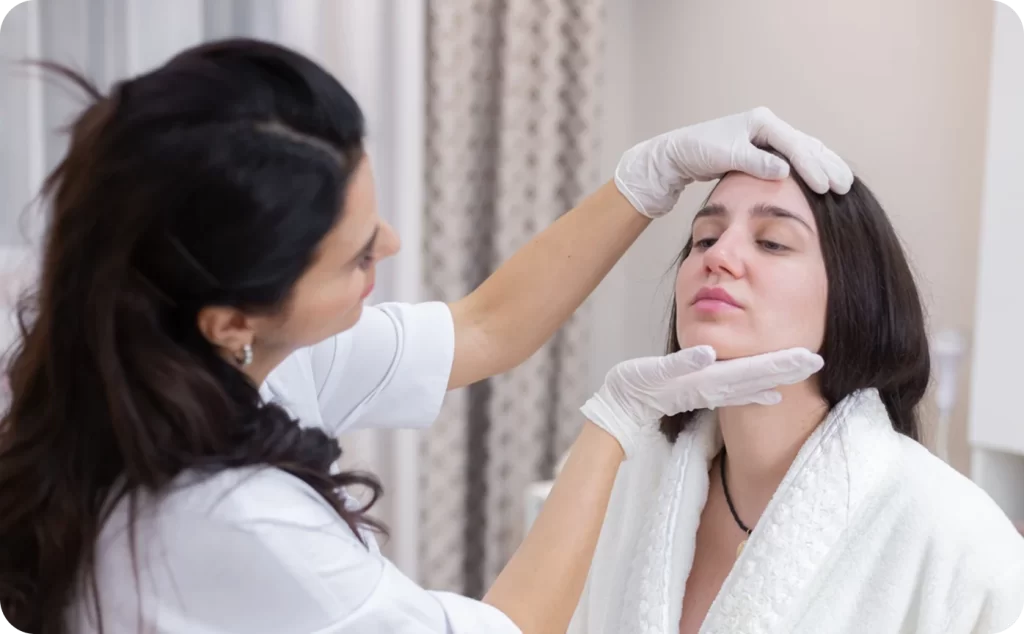
During the procedure, the doctor first assesses facial injuries and stabilizes the affected area. Damaged bone, soft tissue, and teeth are carefully examined using clinical evaluation and imaging. Fractures are gently realigned and secured using appropriate fixation methods while injured soft tissues are cleaned and repaired to restore standard structure. Care is taken to preserve facial nerves, blood supply and function throughout the process.

Recovery and Aftercare

After treatment for maxillofacial trauma, protecting the operated area is essential for proper healing. Swelling and discomfort are managed with prescribed care. Oral and facial hygiene must be maintained carefully to prevent infection and support tissue recovery.

Maxillofacial Trauma Treatment in India
Patients may be advised to limit jaw movement and avoid hard foods during the early recovery phase. A soft diet helps reduce stress on healing bones and tissues. This supports alignment stability and promotes gradual functional improvement.
Maxillofacial Trauma Treatment in India
Regular follow-up visits help monitor bone healing, nerve function, and facial symmetry. Medications should be taken exactly as directed to control pain and inflammation. Long term guidance supports safe recovery and restoration of facial function.
Maxillofacial Trauma Treatment in India

Why Choose Dr Bharath Kumar Singh P for Maxillofacial Trauma?

Dr Bharath Kumar Singh P delivers structured and precise care for maxillofacial trauma with a focus on restoring facial form, function, and symmetry. Each injury is carefully assessed to understand bone fractures, soft tissue damage, dental involvement, and nerve impact before planning treatment. Surgical management is aimed at stable fixation, accurate alignment, and protection of facial aesthetics. Attention is given to jaw movement, bite function, speech, and facial expression during recovery. Treatment plans are tailored based on trauma severity, overall health, and long term functional needs. Post treatment care includes close monitoring to support healing, reduce complications and improve comfort. Patients in Tiruvannamalai, Tamil Nadu, receive comprehensive guidance and follow up focused on safe recovery and lasting facial function.
His works on Skin Grafting

Frequently Asked Questions

Still have a questions?

We’re always here to guide you. Reach out to discuss your concerns, clarify doubts.

Do all facial injuries require surgery?

Not all injuries need surgery. Minor fractures or soft tissue injuries may heal with observation, medication, and supportive care depending on the diagnosis.
Treatment aims to restore facial structure and function as closely as possible. Timely care and proper healing greatly improve visible outcomes.
Diet restrictions may be advised during early healing. Soft or liquid foods help reduce strain on the jaw and support recovery.
Incisions are planned carefully to reduce visible scarring. Scars tend to soften and become less noticeable as healing progresses.
This depends on the extent of the injury and treatment. Light activities can often be resumed early, while strenuous tasks may need more time.

Still have a questions?

We’re always here to guide you. Reach out to discuss your concerns, clarify doubts.

Book your Consultation Today!