Key Facts
- Plastic surgery is generally safe when performed by a qualified plastic surgeon
- Safety depends on patient health, facility standards, and post-surgery care
- Modern techniques and anesthesia have improved plastic surgery safety
- Common risks include swelling, bruising, and mild discomfort
- Serious complications are rare with proper medical care
- Pre-surgery evaluation and follow-up care help ensure safe recovery
- Choosing an experienced plastic surgeon is the key to safe results
Plastic surgery has become increasingly popular in recent years, helping people improve their appearance, restore function, and boost confidence. However, one of the most common questions patients ask before considering any procedure is: Is plastic surgery safe?
The answer is yes, plastic surgery is generally safe when performed by a qualified plastic surgeon in a proper medical facility. However, like any medical procedure, plastic surgery also involves certain risks and considerations.
If you are planning to undergo plastic surgery, understanding the safety factors, possible risks, and how to choose the right surgeon can help you make a decision.
In this blog, we’ll cover everything patients must know about plastic surgery safety.
What is Plastic Surgery?
Plastic surgery is a specialized branch of medicine focused on improving appearance and restoring function. It is broadly divided into two categories:
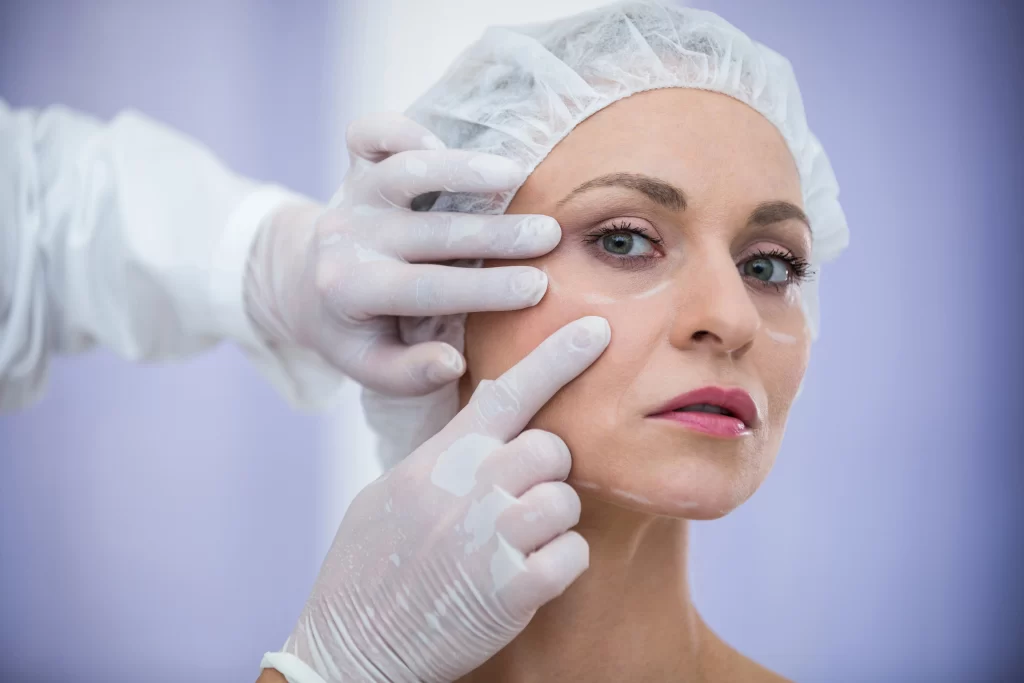
Cosmetic Surgery
Cosmetic surgery focuses on improving appearance and enhancing physical features. Common cosmetic procedures include:
- Rhinoplasty (Nose surgery)
- Liposuction
- Gynecomastia surgery
- Breast surgery
- Facial contouring
- Scar revision
Reconstructive Surgery
Reconstructive surgery is performed to correct deformities caused by:
- Accidents or trauma
- Birth defects
- Burns
- Medical conditions
- Previous surgeries
If you’re considering aesthetic improvements, you can learn more about different procedures in our cosmetic and reconstructive procedures blog.
Is Plastic Surgery Safe?
Plastic surgery is generally considered safe when:
- It is performed by a qualified plastic surgeon
- The procedure is done in an accredited medical facility
- The patient follows pre- and post-surgery instructions
Advancements in modern medical technology, anesthesia, and surgical techniques have significantly improved the safety of plastic surgery procedures.
However, safety also depends on several important factors.
Factors That Make Plastic Surgery Safe
1. Qualified Plastic Surgeon
One of the most important factors in plastic surgery safety is choosing an experienced and qualified plastic surgeon. A skilled surgeon can:
- Minimize complications
- Ensure proper surgical techniques
- Provide safe anesthesia management
- Guide recovery properly
Always check the surgeon’s experience, qualifications, and specialization before making a decision.
2. Accredited Surgical Facility
A well-equipped hospital or clinic plays a major role in ensuring safety. A proper facility should have:
- Sterile operating rooms
- Emergency medical support
- Trained nursing staff
- Advanced equipment
These factors reduce complications and improve overall safety.
3. Patient Health Condition
Your overall health plays an important role in determining whether plastic surgery is safe for you.
Your surgeon may evaluate:
- Medical history
- Existing health conditions
- Medications
- Lifestyle habits
- Smoking or alcohol use
Patients in good health generally experience smoother procedures and faster recovery.
4. Proper Pre-Surgery Evaluation
Before surgery, your doctor may recommend:
- Blood tests
- Medical clearance
- Physical examination
- Imaging (if required)
These evaluations help reduce risks and ensure patient safety.
5. Post-Surgery Care
Post-operative care is equally important for safe recovery. Following your surgeon’s instructions helps:
- Reduce infection risk
- Improve healing
- Prevent complications
- Achieve better results
Always attend follow-up appointments and communicate any concerns to your doctor.
What Are the Possible Risks of Plastic Surgery?
Like any surgical procedure, plastic surgery has potential risks. However, most complications are rare and manageable.
Common Risks
- Swelling
- Bruising
- Temporary discomfort
- Mild scarring
- Infection (rare with proper care)
Rare Risks
- Blood clots
- Nerve damage
- Poor wound healing
- Reaction to anesthesia
- Unsatisfactory results
Choosing an experienced surgeon and following proper care instructions significantly reduces these risks.
Who Is a Good Candidate for Plastic Surgery?
You may be a good candidate for plastic surgery if you:
- Are in good overall health
- Have realistic expectations
- Do not smoke (or willing to stop before surgery)
- Understand recovery time
- Are mentally prepared for the procedure
Your plastic surgeon will help determine whether you are suitable for surgery.
Tips to Reduce Plastic Surgery Risks
You can reduce complications by following these tips:
- Follow your surgeon’s instructions carefully
- Stop smoking before surgery
- Maintain a healthy lifestyle
- Avoid certain medications if advised
- Attend follow-up appointments
- Take adequate rest during recovery
These simple steps can improve safety and recovery.
Why Patients Choose BK Plastic Surgery
At BK Plastic Surgery, patient safety and satisfaction are top priorities. We focus on:
- Personalized consultations
- Advanced surgical techniques
- Safe and hygienic environment
- Experienced medical team
- Comprehensive pre- and post-surgery care
Final Thoughts
Plastic surgery can be a safe and effective option when approached with the right knowledge, careful planning, and expert medical guidance.
Every patient’s needs and goals are unique, which is why a personalized consultation is important before making any decision. Taking the time to ask questions, discuss expectations, and follow recommended guidelines can greatly improve both safety and outcomes.
If you’re considering plastic surgery, consulting a trusted professional can help you explore suitable options and move forward. At BK Plastic Surgery , we are committed to providing safe procedures, patient-focused care, and natural-looking results tailored to your individual goals.