
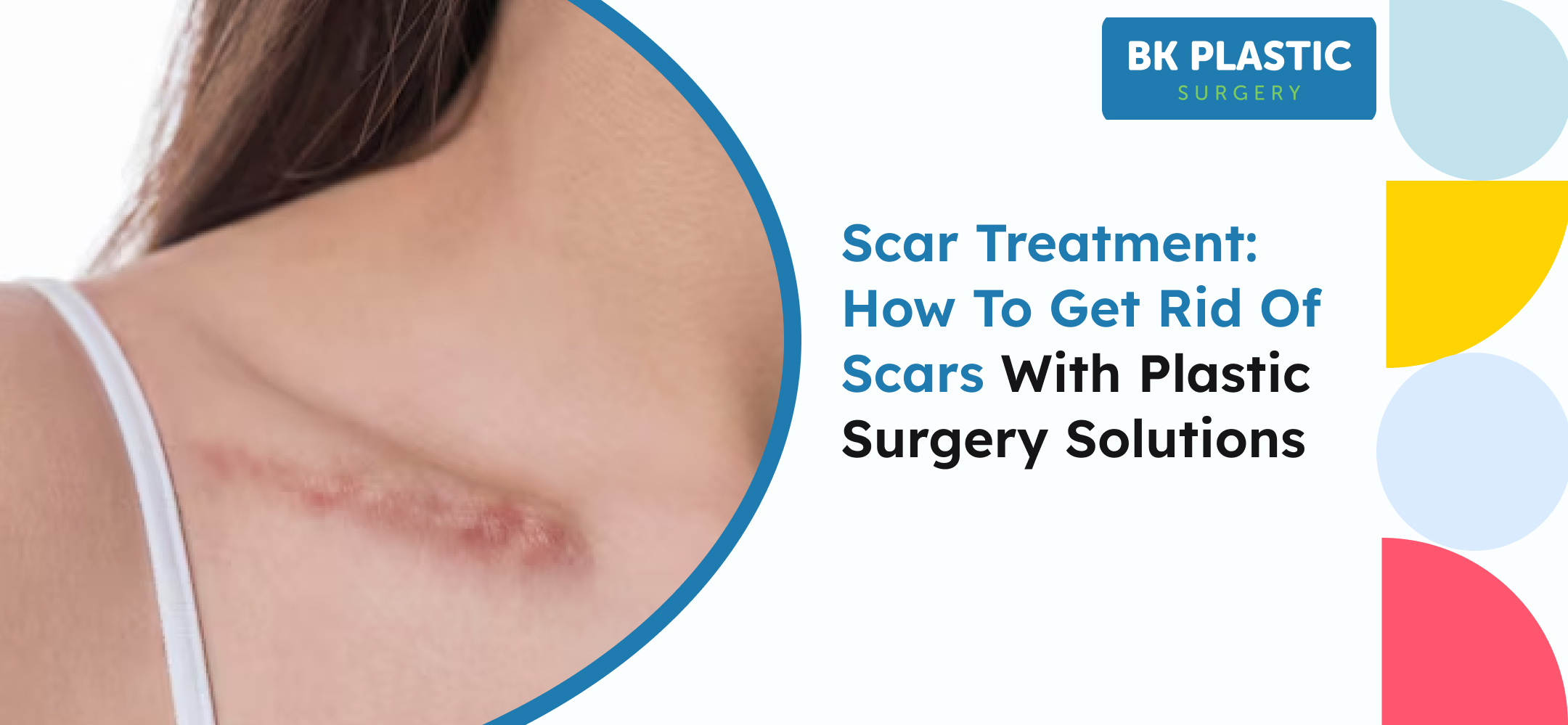
Scars are a natural result of the skin’s healing process after acne, injury, surgery, or burns. While they are medically harmless, they can affect appearance, confidence, and sometimes even skin texture. Many people search for scar treatment options to improve how their skin looks and feels, especially when scars are visible on the face or other exposed areas.
If you are wondering how to get rid of scars, it is important to understand that scars cannot always be completely erased. However, modern plastic surgery and dermatological treatments can significantly reduce their visibility and improve skin smoothness.
In this blog you will get insights about causes of scars, types and treatments of scars and how to get rid of them.
What Causes Scars?
Scars develop when the skin repairs itself after an injury. During healing, the body produces collagen to close the wound. This new tissue is different from normal skin, which is why scars may appear raised, depressed, or discolored.
Common causes include:
- Acne breakouts
- Surgical cuts
- Injuries or trauma
- Burns
- Skin infections
The final appearance of a scar depends on:
- Depth and severity of the injury
- Skin type and genetics
- Infection or delayed healing
- Quality of wound care
Because of these factors, no two scars are exactly the same, and treatment must be customized for each patient.
Types of Scars and Their Treatments
Understanding scar types is essential before choosing a treatment plan. Each type responds differently to therapy, especially in clinical scar treatment settings.
1. Atrophic Scars (Depressed or Pitted Scars)
Atrophic scars are sunken scars commonly caused by acne or chickenpox. They occur when the skin does not produce enough collagen during healing.
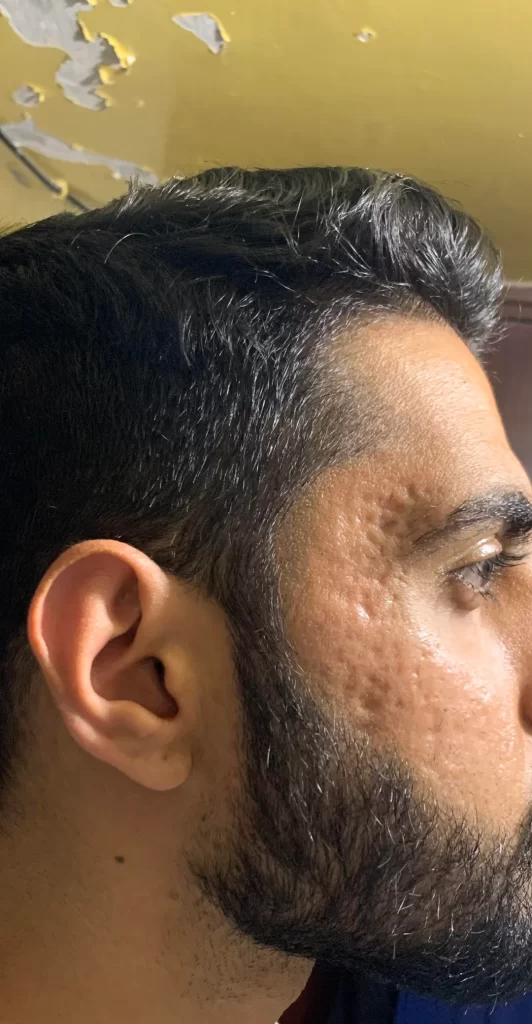
For patients seeking the best acne scar treatment, doctors often recommend combination procedures such as:
- Microneedling to stimulate collagen production
- Fractional laser resurfacing to smooth skin texture
- Subcision to release deep scar tissue
- Dermal fillers for temporary volume correction
These methods are widely used in acne scar removal treatments and are effective for improving skin surface irregularities.
2. Hypertrophic Scars
Hypertrophic scars are raised scars that stay within the boundary of the original wound. They may appear red, thick, or firm but often improve gradually with proper care.
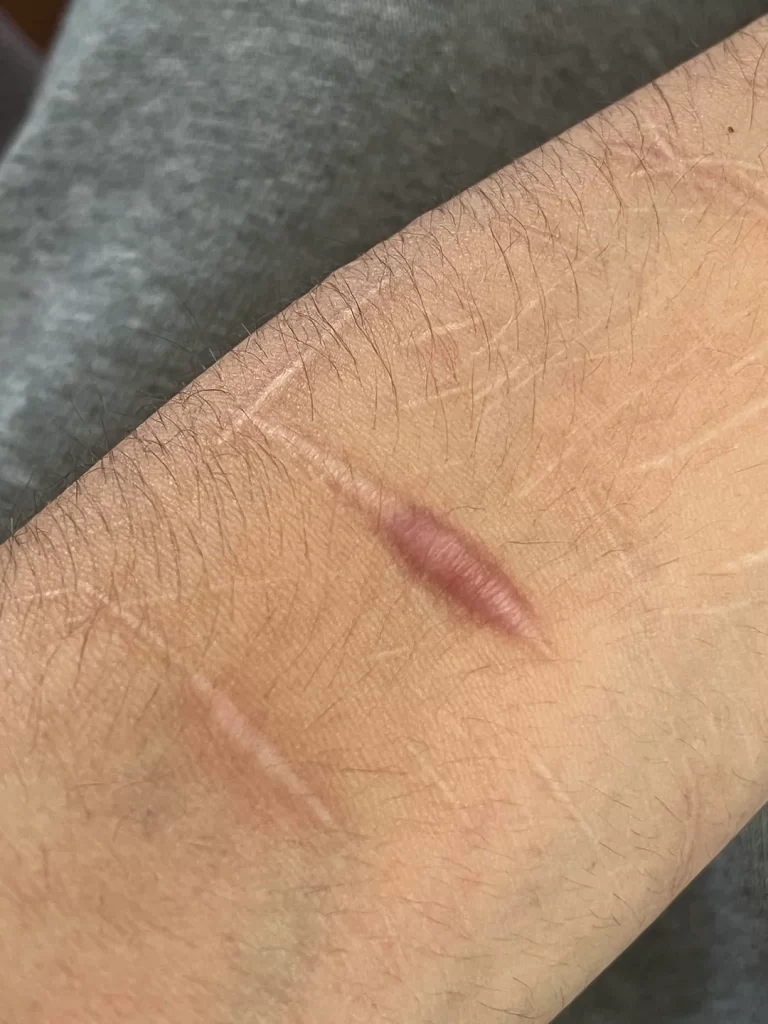
Treatment options include:
- Silicone gel sheets or topical silicone applications
- Steroid injections to reduce thickness and inflammation
- Laser therapy to improve texture and redness
- Pressure therapy in selected cases
Early intervention usually leads to better outcomes, making timely treatment an important factor in scar improvement.
3. Keloid Scars
Keloid scars are thick, raised scars that extend beyond the original wound area. They are often more aggressive than hypertrophic scars and may continue to grow over time.
Many patients search for how to get rid of a keloid, but keloids require long-term medical management rather than a single treatment.
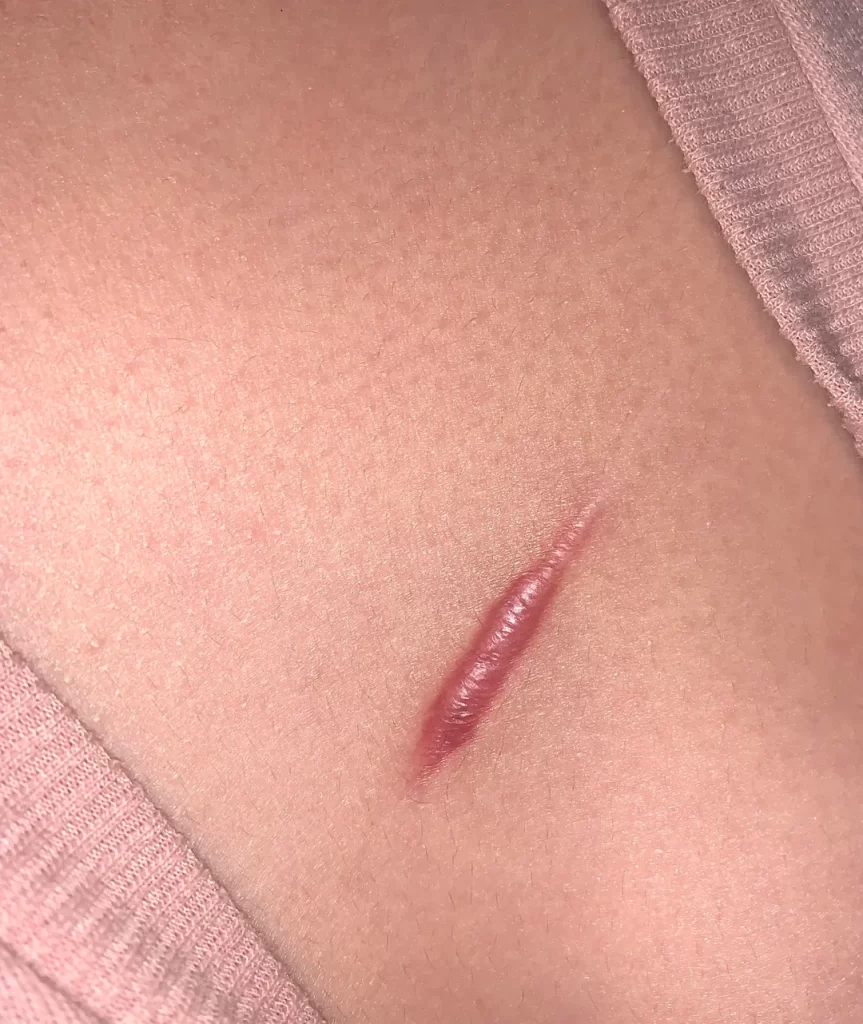
Keloid scar treatment options include:
- Steroid injections to flatten and soften the scar
- Silicone gel or sheets to control growth
- Cryotherapy (freezing treatment) to reduce scar size
- Laser therapy for texture improvement
In some cases, keloid scar removal may involve surgical excision. However, surgery alone is not sufficient, as keloids have a high recurrence rate. Post-treatment therapies are essential to reduce the risk of regrowth.
4. Surgical Scars
Surgical scars form after any operative procedure, including cosmetic and medical surgeries. While surgeons aim to minimize scarring, some degree of scar formation is unavoidable. Over time, surgical scars usually fade, but some may become thick, uneven, or discolored.
Treatment options include:
- Silicone gel sheets to improve healing
- Laser resurfacing to reduce redness and texture
- Microneedling for collagen remodeling
- Steroid injections for thick or raised scars
- Surgical scar revision for prominent scars
Scar revision surgery involves carefully re-opening and re-closing the scar in a more refined manner, often resulting in a less noticeable appearance. Proper post-operative care plays a crucial role in final results.
5. Burn Scars
Burn scars occur after thermal, chemical, or electrical injuries. These scars can be particularly complex because they may affect both skin appearance and function.
Burn scars may be:
- Tight (contracted)
- Thick and raised
- Discolored or uneven
- Limiting movement in severe cases
Treatment depends on severity and may include:
- Skin grafting for severe burns
- Laser therapy to improve texture and pigmentation
- Surgical release for contracture scars
- Compression garments to flatten scars
- Physiotherapy to restore mobility
In advanced cases, reconstructive surgery is often required to improve both function and appearance.
How to Get Rid of Scars: What Really Works
When patients ask how to get rid of scars, it is important to set realistic expectations. While complete removal is rarely possible, modern treatments can significantly improve appearance.
Effective scar treatment generally involves:
- Early diagnosis and evaluation
- Customized treatment based on scar type
- Combination of medical procedures
- Long-term maintenance and follow-up
Topical creams alone are usually insufficient for moderate or severe scars. Clinical procedures such as lasers, injections, and minor surgical techniques provide deeper and more noticeable improvement.
Sun protection is also critical, as UV exposure can darken scars and make them more visible over time.
Final Thoughts
If you are searching for how to get rid of scars, the most important step is to consult a qualified plastic surgeon for proper evaluation. Scar treatment is not one-size-fits-all-it depends on scar type, severity, and skin response.
Modern scar treatment techniques offer excellent results for acne scars, keloids, hypertrophic scars, and other types of scarring. While scars may not disappear completely, their appearance can be greatly reduced with the right combination of medical procedures.
With cutting-edge plastic surgery solutions and personalized care at BK Plastic Surgery, achieving smoother, clearer, and more even-looking skin is a realistic and attainable goal.