
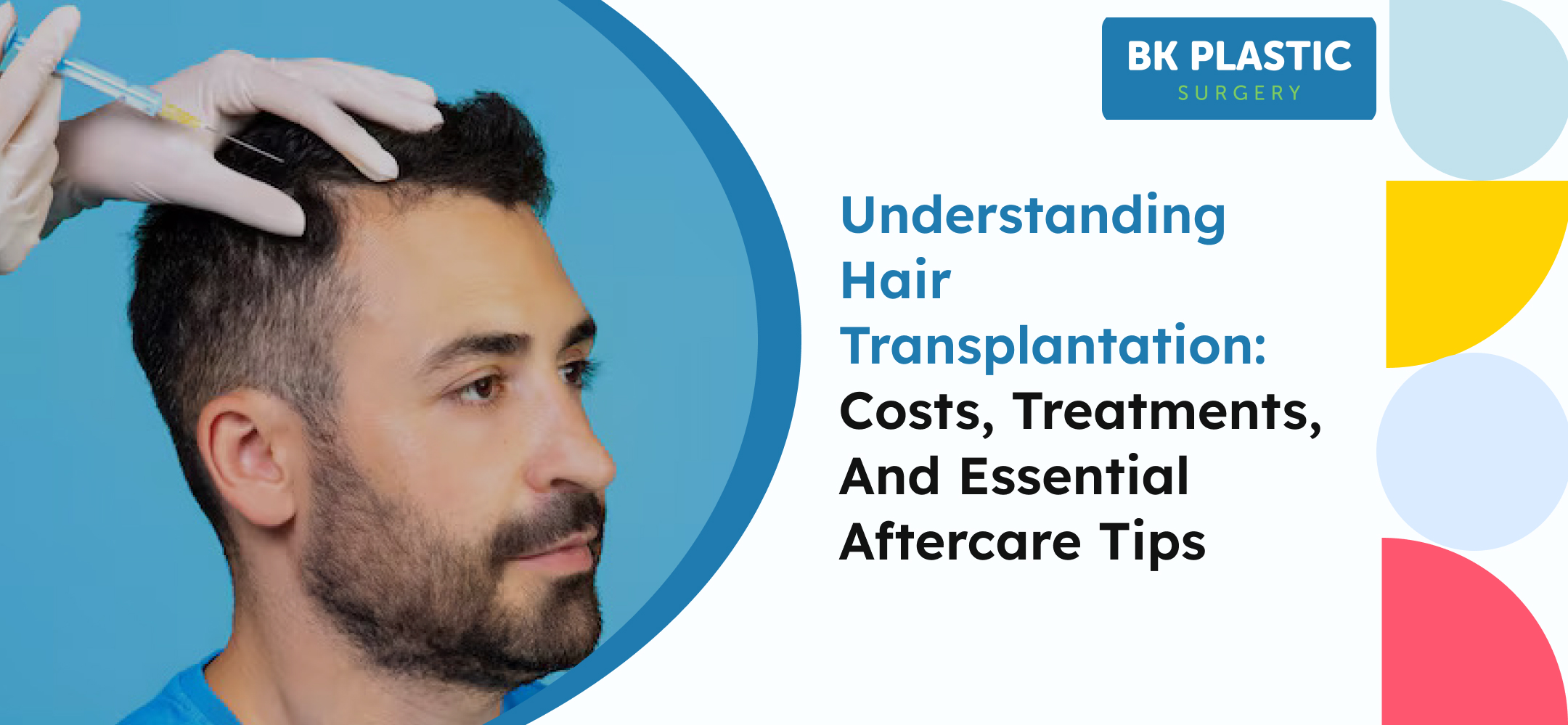
Hair transplant is a scientifically established surgical treatment for permanent hair loss, designed to restore natural hair growth by redistributing healthy hair follicles from a donor area to regions affected by thinning or baldness. With advancements in techniques such as FUE and DHI, modern hair transplantation offers precise, natural-looking, and long-lasting results when performed by a qualified specialist.
Hair loss can significantly impact self-confidence and overall quality of life. A well-planned hair restoration procedure not only improves physical appearance but also enhances psychological well-being. However, achieving optimal results requires careful patient selection, proper technique, and structured post-operative care.
In this blog, we explain the hair transplant procedure, available treatment methods, cost considerations, recovery timeline, risks, and essential aftercare guidelines to help you make an informed and medically sound decision.
Common Causes of Hair Loss:
- Male pattern baldness
- Female pattern hair loss
- Hormonal imbalance
- Stress-related hair loss
- Nutritional deficiency
- Post-COVID hair fall
What is Hair Transplant?
- Hair transplantation procedure is a medical process where healthy, permanent hair follicles are taken from one part of the scalp and implanted to the area of hair thinning or baldness.
- The transplanted hair follicles will grow hair in their new environment because they keep their original genetic factors that allow growth.
- The treatment is performed with local anesthesia, which makes the process safe, less painful, and suitable for both men and women dealing with hair loss.
Types of hair transplant techniques:
FUT (Follicular Unit Transplantation)
This process involves taking a thin layer of skin with hair from the back of the scalp, and transplanting the hair follicles to bald areas.
FUE (Follicular Unit Extraction)
It is the method of extracting individual hair follicles directly from the donor area and implanted in the required area.
DHI (Direct Hair Implantation)
This is an advanced technique of FUE where follicles are implanted directly using a special pen-like device that offers better control and natural-looking results.
FUE vs FUT vs DHI Comparison
| Feature | FUE | FUT | DHI |
| Scarring | Minimal | Linear Scar | Minimal |
| Recovery | Faster | Moderate | Faster |
| Precision | High | Moderate | Very high |
| Cost | Moderate | Lower | Higher |
Still finding it hard to choose the right hair transplant method? Today the majority of patients prefer to undergo procedures using an FUE hair transplant method because of the following benefits,
- Less visible scarring
- Increased speed of recovery
- Minimal invasive procedure
- Slightly less discomfort post surgery
- Natural looking results
Who is a Good Candidate?
The key to successful hairline restoration is getting the right candidates for hair implants. An ideal candidate will typically have:
- stable or predictable hair loss
- sufficient donor hair density
- overall good health of scalp
- real expectations
Hair Transplant for Women:
Hair transplant for women is becoming more common, particularly in the thinning part line, temple area, and frontal hairline.
Most women have diffuse thinning rather than complete bald spots, and therefore the surgical plan must be more conservative, in order to avoid damaging existing hair.
Another very important aspect of hair restoration is the hairline design. The best hairline designs reflect the patient’s facial proportion, age, and the degree of risk for future hair loss.
Step-by-step Hair Transplant procedure:
Step 1: Consultation and Planning
The consultation step is a very critical step. It generally consists of 3 separate evaluations
- Individual evaluation (Check scalp),
- Donor Evaluation (Gather information about which parts of the body will have hair transplanted),
- Medical History evaluation (Review for any underlying health conditions of the patient) and, Long-Term Planning (Determine the next steps for the patient).
Step 2: The Procedure
- During the hair transplant surgery, the patient is awake, comfortable, and given local anesthetic.
- Most patients describe the experience as less painful and usually take between 4 – 8 hours to complete.
Step 3: Recovery/Growth Timeline
- Healing time is usually between 7 to 10 days.
- Re-growth of hair starts around 3 to 4 months after surgery.
- Full results often take 12 to 15 months.
Hair transplant cost: What determines the price?
There are many factors affecting the hair transplant cost, Some are listed below,
- Size – number of grafts,
- Hair Transplant technique,
- Experience of the Surgeon,
- Standards of Clinic and Follow-Up Care.
So, when you decide to go for hair transplantation treatment, understand that the price is fixed based on all the aspects of consultations, planning, and the hair transplant procedure.
In general, the lowest cost option for hair restoration is not typically the best value for long-term results.
Hair Transplant Aftercare:
Aftercare, or the period after a hairline restoration procedure of a patient is an extremely important part of achieving final results. The first two weeks after surgery will ultimately determine the success of the procedure.
Key principles for aftercare are:
- Do not touch or scratch the grafts.
- Sleep with your head elevated for several nights following surgery.
- Follow the washing procedures very carefully.
- Avoid extreme exercise,smoking and exposure to direct sunlight.
Proper healing after a hair transplant depends on careful skin and scalp care. Following structured post-surgical guidelines helps protect grafts and supports long-term results. For general pre- and post-operative skin care practices, read our guide on plastic surgery skin care before and after treatment.
Risks and Limitations of Hair Transplant Surgery
- Mild swelling, redness, scab formation, or temporary numbness may occur in the treated areas.
- Minor discomfort is common during the initial healing period.
- Temporary shedding of transplanted or surrounding hair (shock loss) may occur before new growth begins.
- Final hair density depends on the quality and availability of donor hair.
- Hair transplantation does not prevent future natural hair loss.
- Some patients may require maintenance treatment or additional sessions over time.
Understanding these potential risks and limitations helps set realistic expectations and improves overall treatment satisfaction.ns before undergoing a hair transplant has been shown to be one of the best indicators of patient satisfaction.
Conclusion:
Hair Restoration treatment is not an instant solution but rather a permanent medical solution, which will require careful planning, skillful execution, and a long-term patient commitment.
A hair transplant performed correctly will result in a satisfied outcome along with restoring confidence. If you are planning on proceeding with this procedure, schedule a visit to experience expert guidance, transparent planning, and a treatment approach focused entirely on you.
Author Bio
Dr. Barath Kumar Singh P, MBBS, DNB (General Surgery), MCh Plastic Surgery, is a certified Plastic, Reconstructive, and Aesthetic Surgeon at BK Plastic Surgery, Tiruvannamalai, with expertise in advanced hair transplant procedures including FUE and DHI. He follows evidence-based surgical practices to ensure safe, natural-looking, and long-lasting hair restoration results.
Medical Disclaimer
This content is for informational purposes only. Hair transplant suitability and results vary based on individual scalp condition and overall health. A professional medical consultation is recommended before considering treatment.